
Formulation Is Not Just Skin Deep: What Really Goes Into a Skincare Product
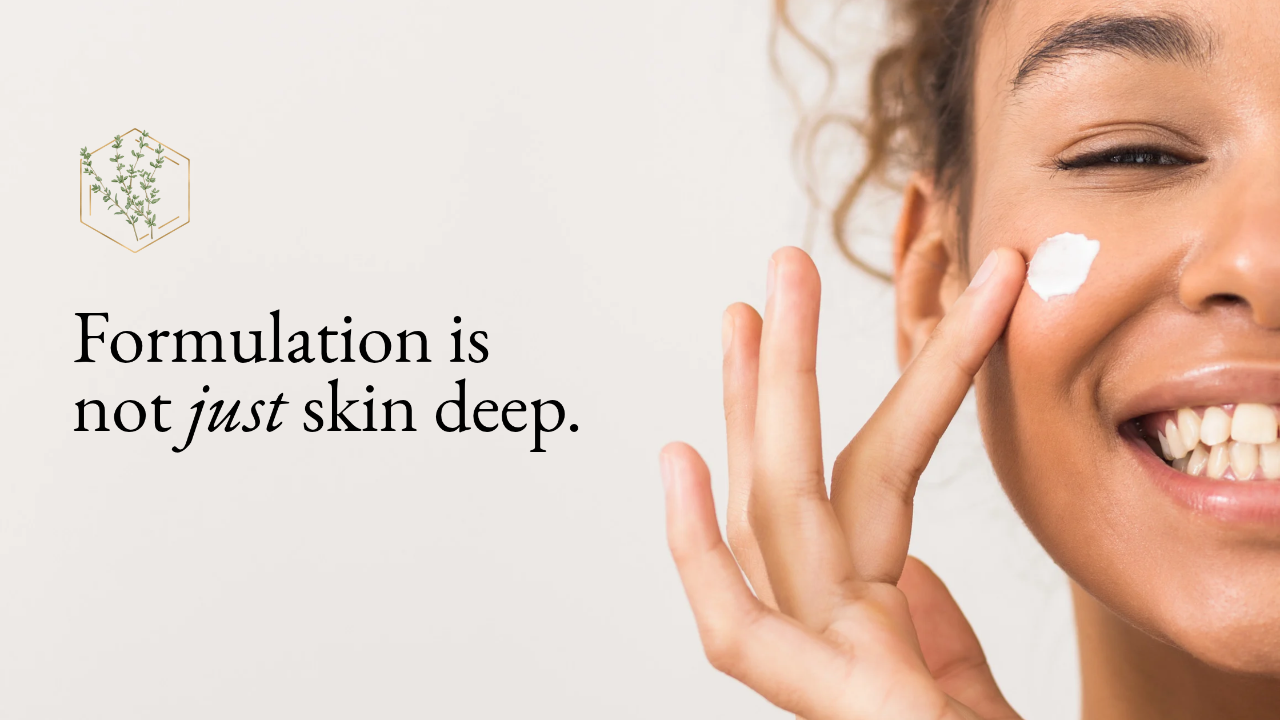
A finished skincare product gives us plenty to notice.
We can feel the texture between our fingers, observe how it spreads, decide if the aroma is pleasant, and notice what remains on the skin a few minutes after application. We can turn the bottle around and read the ingredient list, perhaps recognizing ingredients we already know and a few we want to look up.
Those details matter, but they are only the visible end of a much longer process.
Before a cream becomes a cream, someone has to decide what kind of product it is meant to be and what the finished experience should feel like. The formula has to account for the user, the ingredients, the system that holds them together, the way the product will be preserved, and the conditions under which it will eventually be used. The prototype then has to be made and evaluated because a formula that looks reasonable on paper does not always behave exactly as expected once everything is brought together.
This is why formulation is not just skin deep.
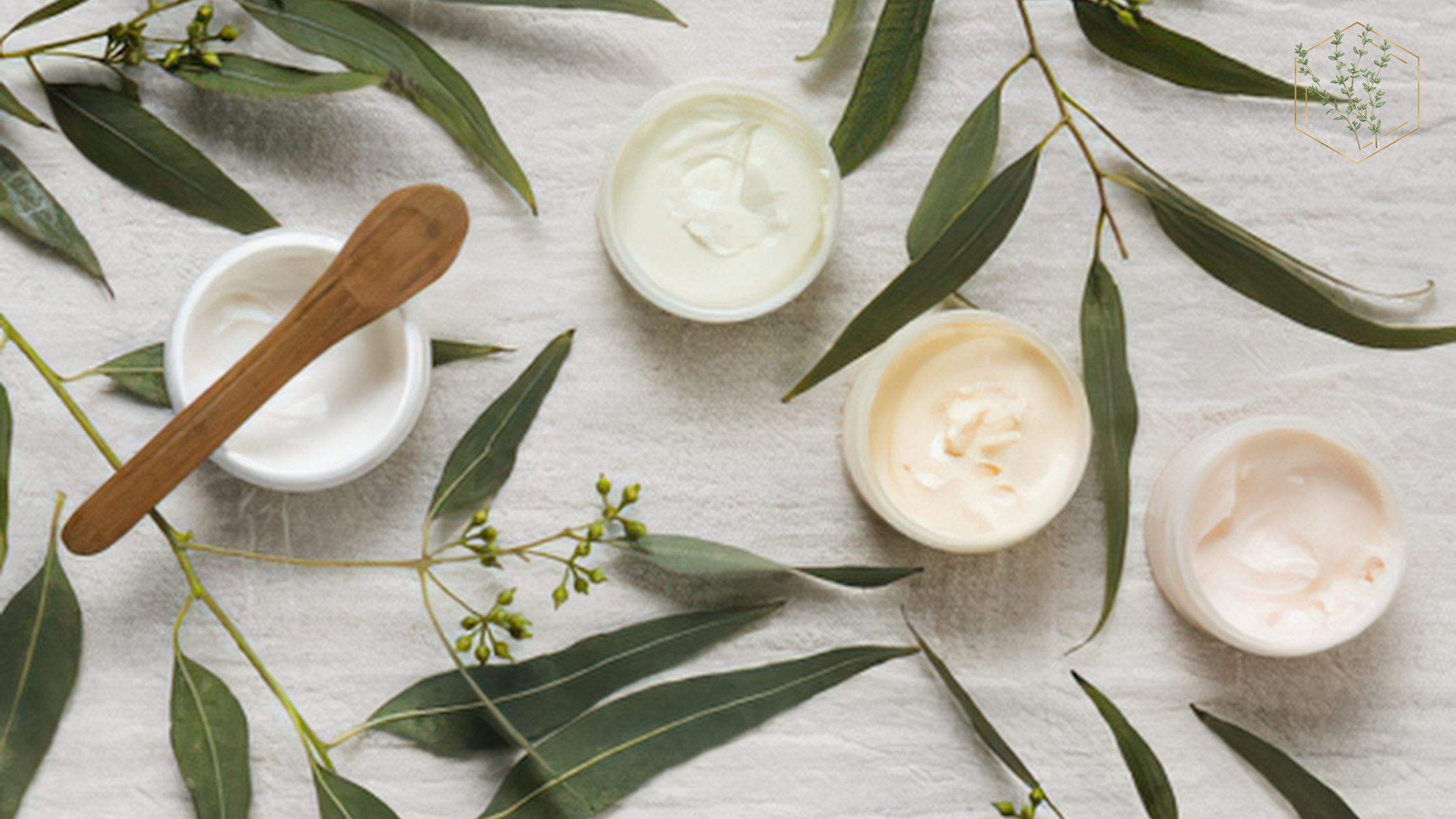
A recipe can show you how to make something
Recipes are useful, especially when you are learning a new technique. They provide measurements, processing instructions, and a clear point of reference. You can learn how a balm sets, how an oil serum is blended, or how an emulsion comes together by following a formula that has already been developed.
The difficulty appears when you want to change it.
Perhaps a facial oil feels heavier than you wanted, so you consider replacing one carrier oil with another. You may want to introduce an active ingredient, change the aromatic profile, or create a lighter version of a cream. You may simply look at the formula and wonder why a particular ingredient is there.
Once you begin asking those questions, you are no longer interested only in reproducing a recipe. You need to understand what each ingredient is contributing and what else may change when you adjust it.
Replacing one carrier oil can affect skin feel, absorption, and oxidative stability. Adding a water-based ingredient can affect the structure and preservation requirements of a product. An essential oil may alter the aromatic experience while also introducing concentration, safety, and stability considerations. Even a seemingly small change can influence more than one part of the finished formula.
Formulation gives you a way to think through those relationships.
The skin is part of the formulation problem
Skincare is not developed in isolation from the skin it is intended for.
Understanding the structure and function of the skin, the skin barrier, the acid mantle, skin pH, and the differences among skin types and conditions helps a formulator make more informed choices about the products being designed.
This does not mean that every cosmetic product has to solve every skin concern. It means the formula should make sense for its intended purpose and user.
A product intended for frequent facial use, for example, is a different formulation problem than a balm applied occasionally to a smaller area. A lightweight moisturizer asks for a different sensory profile than a rich body cream. The skin and the way the product will be used become part of the design brief.
The ingredient list is not the whole formula
Natural skincare can make individual ingredients very easy to fall in love with.
A particular botanical extract sounds interesting. A carrier oil has a fatty acid profile you like. An essential oil has an aroma and chemistry you know well. An active ingredient has research behind it.
All of those things can be useful information, but formulation requires another question: what role does this ingredient need to play in this product?
Carrier oils, butters, waxes, hydrosols, humectants, extracts, emulsifiers, stabilizers, solubilizers, preservatives, antioxidants, functional ingredients, actives, and essential oils all behave differently within a formula. Choosing them well depends on understanding both the ingredient and the system around it.
A long ingredient list does not automatically make a product more sophisticated. A simpler formula can be highly considered when each material has a clear function and the finished product performs as intended.
Safety and preservation belong inside the formula
Natural products still require careful attention to safety.
Once water or water-based ingredients are introduced, preservation becomes part of the formulation. Packaging can affect the way a product is exposed during use. Essential oils require appropriate concentration and safety decisions. Labelling and claims also need to communicate the product accurately.
These are not details to solve after the creative work is finished. They are part of the creative work because they affect what can reasonably be formulated and how the product should be used.
The prototype has the final word
Even a well-designed formula has to be made before you know exactly what you have.
A cream may emulsify correctly and still feel too heavy for the brief. A serum can look beautiful but leave more residue than intended. An aromatic blend may smell balanced before it is incorporated and become dominant once it is part of the full product.
The prototype gives the formulator information.
Sensory evaluation helps make that information more useful. Instead of describing a product only as pleasant or unpleasant, a formulator can consider qualities such as slip, drag, cushion, absorption, afterfeel, and finish. Those observations help identify what is working and where refinement may be needed.
Professional formulation therefore includes testing, adjustment, and documentation rather than treating the first successful batch as the end of the process.
Learning the thinking behind the formula
This is the approach behind Essence of Thyme’s Natural Aromatic Skincare Formulation Certificate Program with cosmetic chemist and global beauty brand strategist Kenna Whitnell.
The 10-module program begins with the foundations of natural skincare formulation, chemistry essentials, ingredient functions, formula architecture, and skin science. Students then study safety, compliance, preservation, ingredient categories, product systems, and practical formulation before moving into sensory science, advanced formulation, aromatherapy integration, stability, professional documentation, packaging, and small-batch practice.
Guided formulation labs include an oil serum, balm or body butter, hydrosol mist, basic emulsion, advanced emulsion with actives, cleansing micellar system, and troubleshooting work. The program concludes with a capstone product-development project in which students bring the earlier modules together in an original product concept.
Kenna’s professional background matters here. She has spent more than a decade developing products and building beauty brands, with more than 100 products currently on the market across skincare, wellness, and colour cosmetics. Students are learning not only what goes into a product, but how an experienced cosmetic chemist thinks through the decisions surrounding it.
A finished jar may be the part we eventually hold in our hands, but good formulation begins much deeper.
Formulation is not just skin deep.
Natural Aromatic Skincare Formulation is 25% off through October 20. Use code SKINCARELAUNCH on checkout. Explore the program: https://www.essenceofthyme.com/natural-aromatic-skincare-formulation-certification

