
What Adulteration in Essential Oils Means for Clinical Practice
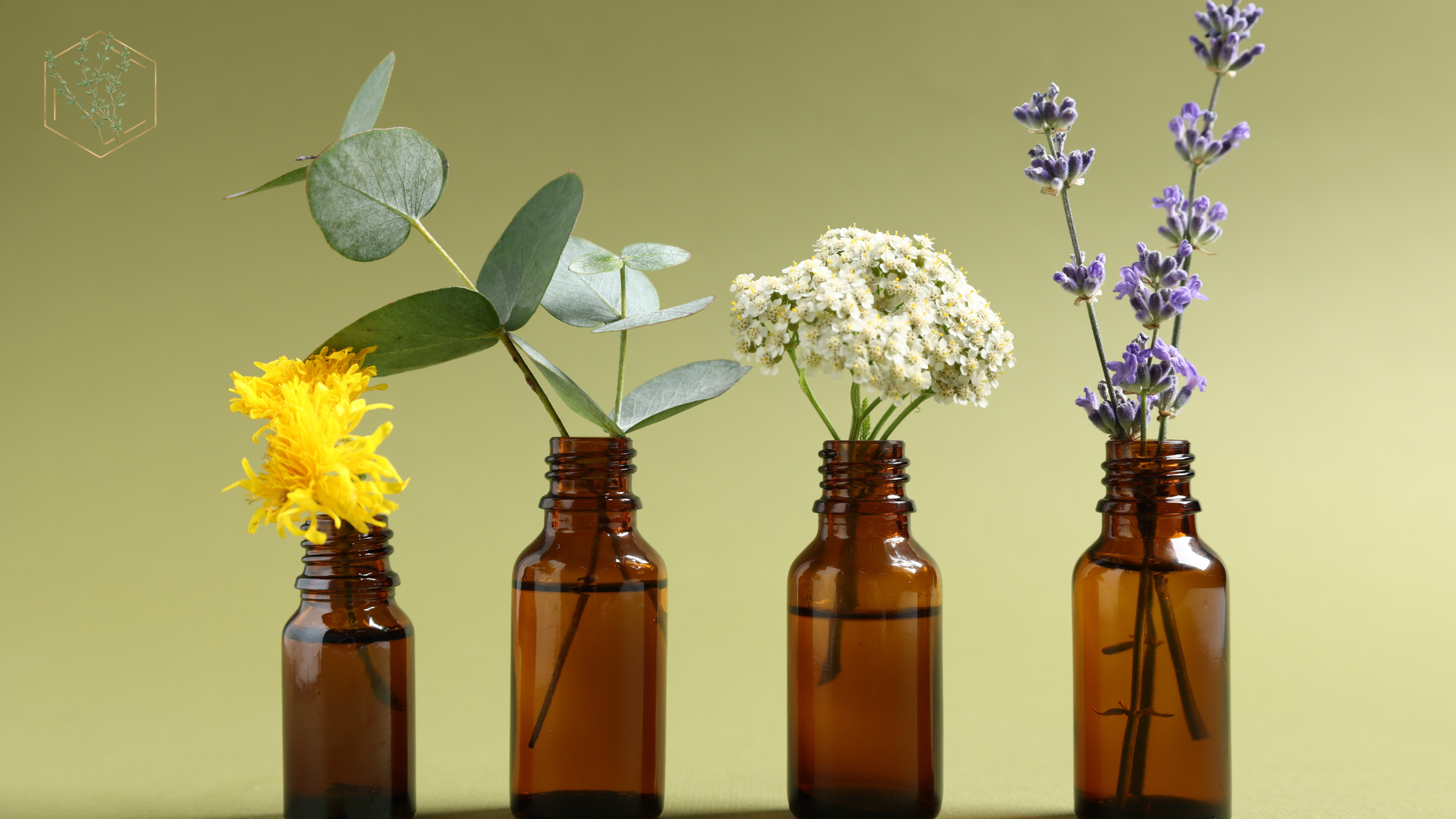
If you have ever purchased an essential oil and wondered whether what is in the bottle matches what is on the label, you are asking the right question.
Essential oil adulteration is one of the most significant quality and safety issues in the aromatherapy industry. It refers to the deliberate or accidental addition of foreign substances to an oil, the substitution of a cheaper plant source for the one named on the label, or the manipulation of a natural oil's chemical profile to make it appear purer or more consistent than it is.
It is far more common than most practitioners realize.
Dr. Prabodh Satyal, Chief Scientific Officer at the Aromatic Plant Research Centre (APRC), has spent his career studying exactly this problem. Having analyzed the chemical composition of more than 30,000 essential oils and authored over 200 peer-reviewed publications, his work using GC-MS and LC-MS/MS analytical techniques has revealed the scale and sophistication of adulteration practices in the global essential oil trade.
The implications for practitioners are direct and serious.
An adulterated essential oil is not simply an inferior product. In clinical practice, it is an uncontrolled variable. If a client experiences an unexpected reaction, or if a protocol that works reliably with one batch fails with another, adulteration may be the explanation. A practitioner who recommends an oil based on its labelled botanical source and its expected constituent profile is making clinical decisions on information that may not reflect what is actually in the bottle.
This is why sourcing matters so much in professional aromatherapy practice. Understanding what GC-MS data looks like, knowing how to evaluate a supplier's testing documentation, and being aware of which oils are most commonly adulterated — violet leaf absolute, rose otto, melissa, and many citrus oils among them — are all part of practising responsibly.
It is also why adulteration is taught at Essence of Thyme, not as a footnote, but as a core concern of evidence-based practice. This month, Dr. Satyal joins Essence of Thyme as a guest lecturer, giving students the opportunity to learn directly from one of the leading scientists in essential oil analysis and adulteration research. Students learn to read quality documentation, understand what analytical testing can and cannot confirm, and develop the sourcing literacy that professional practice demands.
The essential oil on your shelf is only as good as your ability to verify what it is.
Excited to check out the expansive curriculum of Essence of Thyme? Learn more about our programs at www.essenceofthyme.com/programs.

