
Sandalwood: The Essential Oil That Takes Decades to Produce
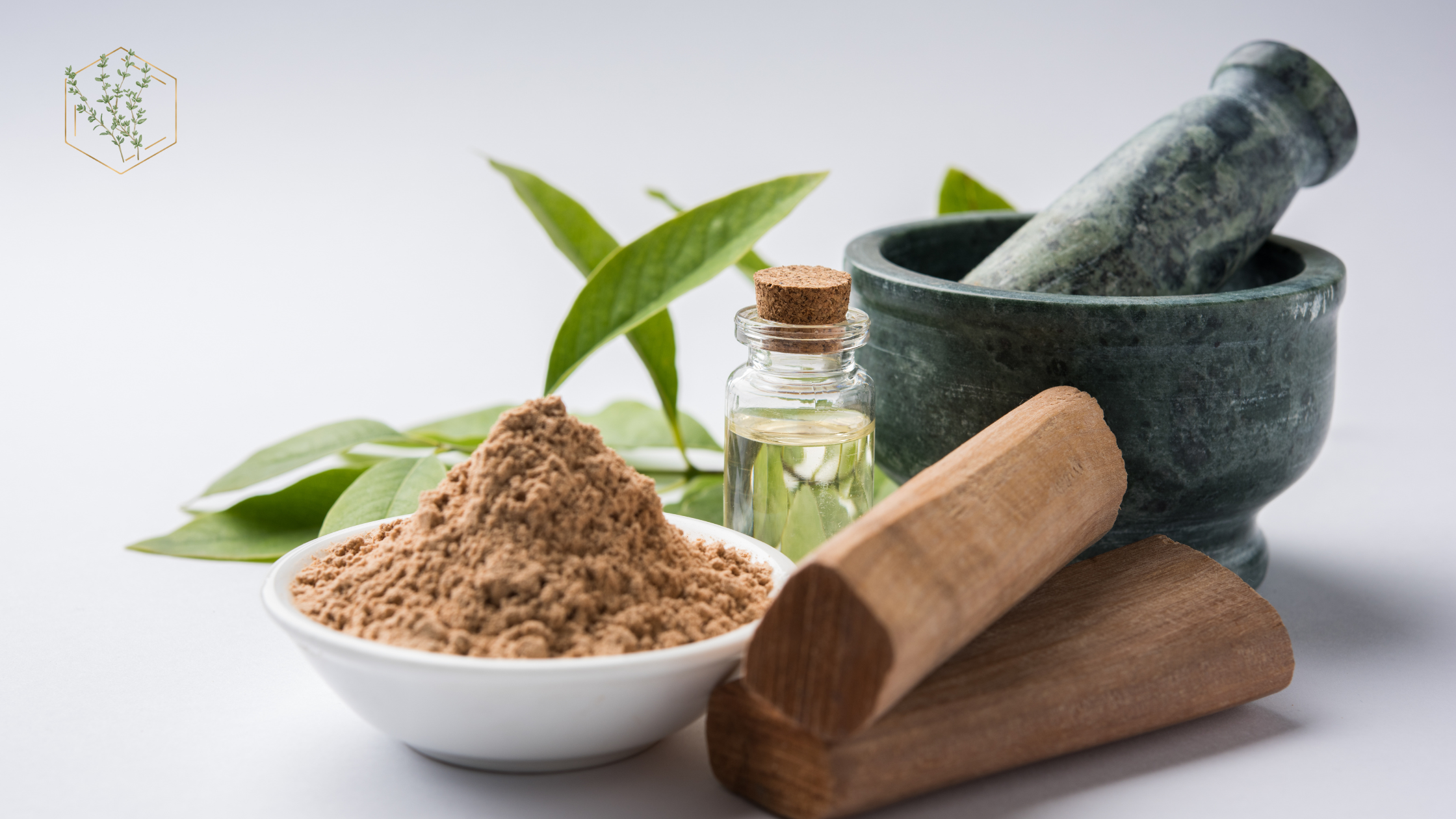
Most people recognize sandalwood by its scent before they know anything else about it. The aroma is warm and woody with a sweetness that lingers on skin and in memory. You'll find it in temples, perfumes, incense, and skincare. There's a great deal more to this oil than its smell, and the story behind the small bottle on a shelf is older and richer than most people realize.
Sandalwood is one of the oldest perfume materials still in continuous use. For roughly four thousand years, civilizations have built sacred and everyday life around this tree, using it for incense, embalming, temple carvings, furniture, and caskets. That long history is part of why the scent still feels grounding when you encounter it today. Something in us recognizes it, even if we've never thought about why.
The tree itself is patient. Indian sandalwood (Santalum album) takes 30 to 60 years to reach the maturity needed for essential oil production. The oil develops slowly in the heartwood and the roots, which is why the tree is uprooted rather than felled when harvested. The deeper the wood, the richer the oil.
A Tree in Trouble
That slow maturation is part of why sandalwood is now in danger. Demand has outpaced what the trees can give. Indian sandalwood is protected by the state in regions like Mysore and Tamil Nadu, where the best-quality oil comes from. Pacific Island sandalwood (Santalum austrocaledonicum) has stepped in as a sustainable alternative, with similar chemistry and a slightly different aromatic personality.
This matters when you shop for sandalwood. Sourcing makes a real difference between supporting a centuries-old tradition and contributing to the loss of a species. Reputable suppliers will tell you exactly where their sandalwood comes from and how it was harvested.
What Sandalwood Actually Does
Beyond the scent, sandalwood has earned its reputation as a skin and respiratory ally, with additional value for the nervous system.
On the skin, it's gentle enough for dry, irritated, chapped, and aging tissue. It calms itching, soothes inflammation, tones, and helps prevent scarring. Clinical research has explored its role in conditions like acne, eczema, psoriasis, and even radiation-induced skin damage in cancer patients. A 2014 study found that a sandalwood and turmeric cream significantly reduced radiation dermatitis in head and neck cancer patients undergoing radiotherapy. That isn't folk wisdom but measurable clinical benefit.
The respiratory and urinary systems also respond well to sandalwood, which has a long-standing reputation for soothing mucus membranes. Practitioners use it for dry persistent coughs, sore throats, bronchitis, and urinary tract complaints.
The nervous system is often where most people first feel sandalwood's effect. It calms tension, eases anxiety, and supports the kind of quiet, present state that makes meditation easier to drop into. Anyone who has lit sandalwood incense in a stressful moment knows the shift it brings.
How It Behaves in a Blend
Sandalwood is a base note, which means it acts as an anchor. Lighter oils like bergamot or neroli evaporate quickly, and sandalwood holds them in place, deepens them, and gives a blend longevity on the skin. It pairs beautifully with rose, jasmine, frankincense, and vetiver. If you've ever wondered why some perfumes feel rounded and others feel sharp, base notes like sandalwood are often the reason.
The aroma is subtle and slow to reveal itself. Give it time. Sandalwood doesn't announce itself the way citrus does. It settles in.
A Note on Authenticity
Because true Indian sandalwood is rare and expensive, the market is full of imitations and dilutions. A bottle of "sandalwood essential oil" priced suspiciously low usually isn't what it claims to be. Synthetic sandalwood fragrance is everywhere, and real sandalwood essential oil is a different experience both aromatically and therapeutically. Knowing how to tell the difference is part of becoming a confident, informed user.
Want to Understand Your Oils on a Deeper Level?
Sandalwood is one example of how much depth sits inside a single bottle. There's chemistry to understand, sourcing to learn about, clinical evidence to study, and aromatic behaviour to explore. The more you understand what you're working with, the more you can use these oils with real intention rather than guesswork.
For anyone ready to move beyond the scent and learn the science, history, and practice behind essential oils, take a look at our programs.
Learn more at essenceofthyme.com/programs

