
Geranium: Why the Common Name Is Only the Beginning
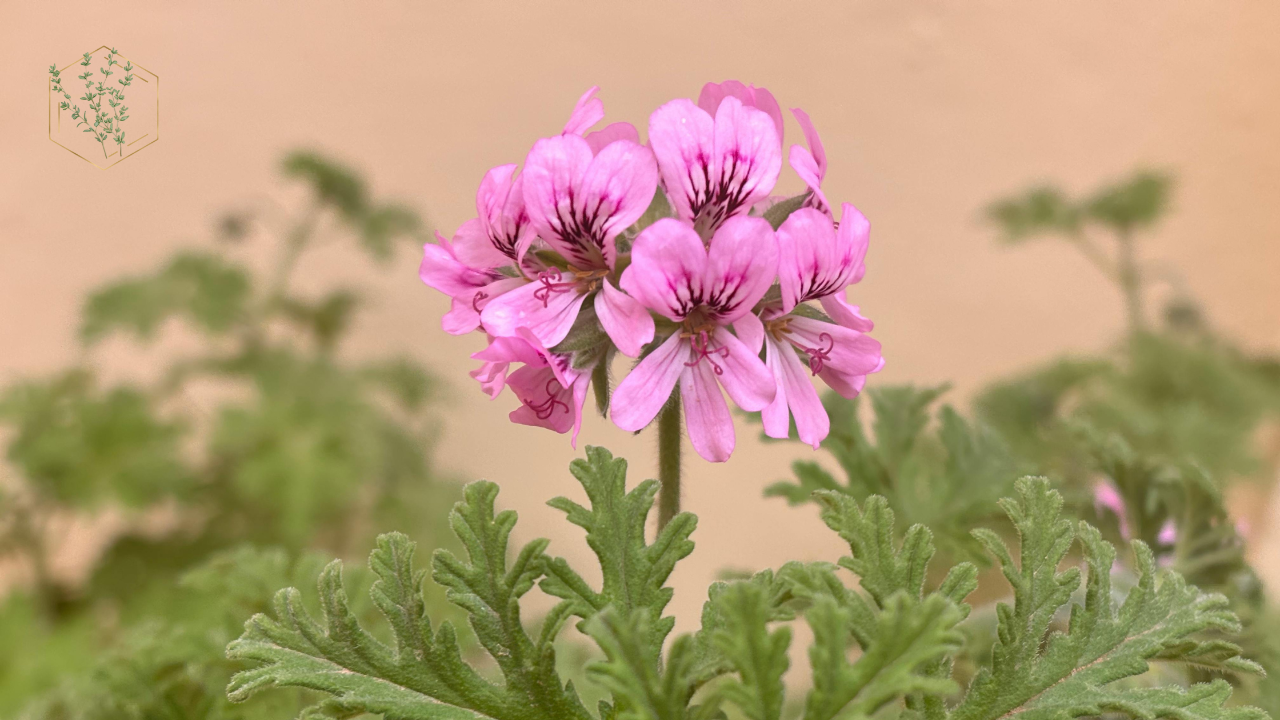
Geranium is familiar to many aromatherapy students. Its green, rosy aroma is easy to recognize, and the common name often appears in books, blends, and product descriptions. Familiarity can make an oil feel straightforward, but the label may tell a more complicated story.
The name Geranium essential oil can refer to aromatic materials produced from different Pelargonium species, hybrids, and cultivars. Growing region, climate, cultivation, harvest, and distillation influence the final essential oil’s constituents. Two bottles sold under the same common name may smell different because their chemical profiles are not necessarily the same.
This variation does not make the common name useless. It means the common name is only the beginning of identification, which is why aromatherapists need to examine the information behind it.
Start with the botanical identity
A botanical name helps narrow the identity of the plant used to produce an essential oil. With Geranium, this matters because the marketplace includes several Pelargonium identities and commercial descriptions. A label that says only “Geranium” leaves an important question unanswered.
So what should you do?
First, look for the full botanical name, the plant part, the country of origin, and the extraction method. These details create a clearer record of the material you are studying. They also make it easier to compare your bottle with a monograph, supplier documentation, or research paper.
If a supplier uses a trade name or a regional name, ask what botanical identity sits behind it. The answer should be specific enough to support responsible study and recordkeeping.
Origin and production add context
Plants respond to their growing conditions. Soil, rainfall, temperature, harvest timing, and production choices can influence an aromatic crop. Distillation adds another set of variables. This is one reason origin belongs in your notebook (remember our lessons last month?) instead of being treated as a decorative detail on the label.
Origin alone cannot predict every feature of an oil. It gives context that can be considered alongside the botanical identity and the analytical information for that particular batch.
A GC/MS report brings the batch into focus
A current GC/MS report offers a chemical snapshot of the batch in your bottle. It helps you see which constituents were detected and their relative proportions. This can clarify why one Geranium smells brighter, greener, softer, or rosier than another. It can also show why a memorized profile should not be applied automatically to every bottle with the same common name.
The report is one part of quality assessment. It becomes more useful when read with the supplier information, sensory observations, storage history, and the purpose for which the oil is being considered.
Try a five-minute Geranium study
Choose one Geranium bottle in your collection. Record its common name, botanical name, plant part, origin, extraction method, batch number, and best-before date. If a GC/MS report is available, confirm that it matches the batch number on the bottle. Then smell the oil on an aroma strip and write down what you notice before checking someone else’s description.
This small exercise turns a familiar oil into a specific material. It also strengthens a habit that applies across aromatic practice: identify the bottle in front of you before relying on the reputation of the name.
What botanical name and country of origin appear on your Geranium label? Share what you find and compare your bottle with the ones other readers are studying.

