
A Quick Fresh Rosemary Infusion for the End of Summer
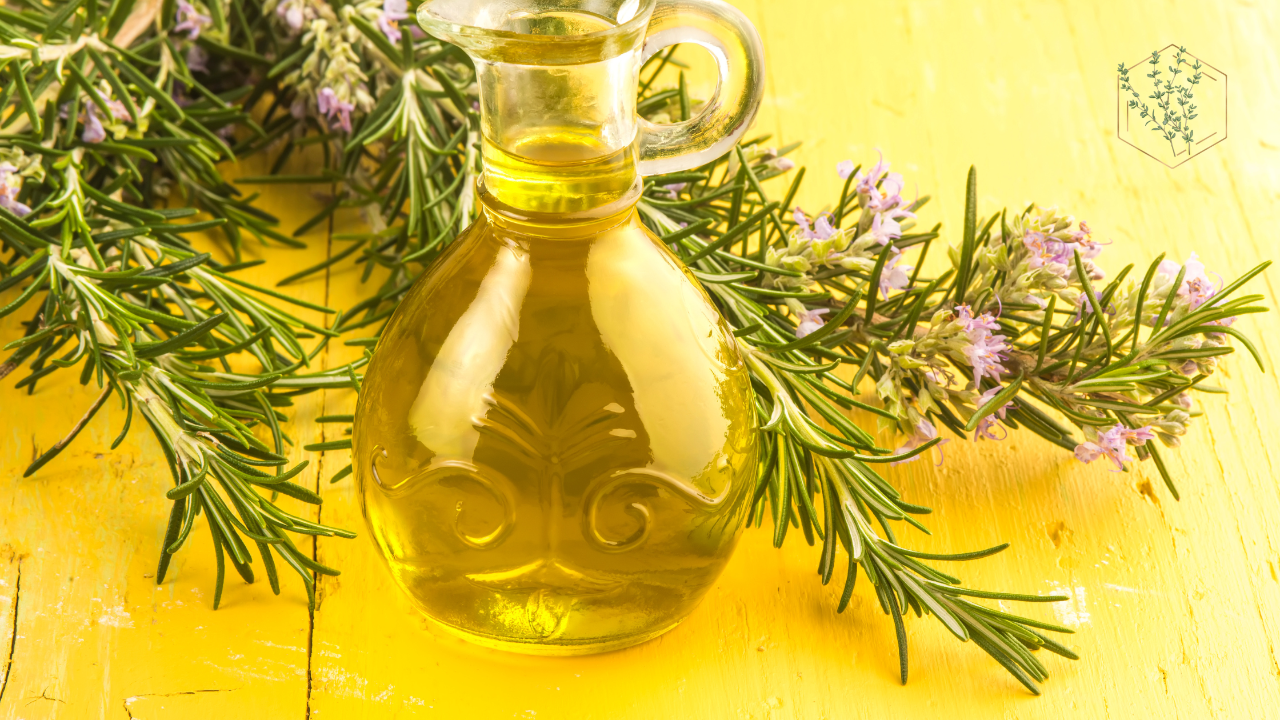
As summer comes to a close, herb gardens and containers often have one last generous offering. Rosemary may still be fragrant and full, and harvesting a small amount can become an opportunity to practise one of herbalism’s most useful habits: observing the plant, choosing an appropriate preparation, and working carefully with the material you have.
Colleen shared a simple method for making a quick infused oil with fresh rosemary. It is designed as a small batch with gentle heat and a short storage period.
First, what kind of infusion is this?
The word “infusion” can describe several herbal preparations. A tea uses water to extract plant material. A tincture usually uses alcohol or another suitable solvent. This recipe is an infused oil, made by warming fresh rosemary in a carrier oil.
The preparation method affects what is extracted, how the finished product is stored, and how long it remains suitable for use. Naming the preparation accurately helps keep recipes, labels, and records clear.
Quick infusion using fresh herbs
Equipment
You will need a double boiler, cheesecloth, a clean and sterilized glass jar or bottle, and a scale if you plan to measure the plant material and oil by weight.
Ingredients
Use a carrier oil such as jojoba, grapeseed, or sweet almond oil, along with clean fresh rosemary, Salvia rosmarinus.
For a volume-based batch, use 1 cup of loosely packed fresh rosemary sprigs or leaves with 1 cup/236mL of carrier oil. If measuring by weight, use roughly 1 part rosemary to 5 parts oil, such as 20 g of rosemary with 100 mL of oil.
Prepare the herb
Rinse the fresh rosemary and pat it completely dry. This detail matters. Fresh plant material already contains water, so visible moisture left after rinsing should not enter the oil.
Warm gently
Combine the rosemary and carrier oil in a small double boiler. Warm on low heat for 30 to 60 minutes. Keep the mixture below about 49°C/120°F and do not allow it to simmer or boil.
Cool and strain
Let the infused oil cool. Strain it through cheesecloth into a clean, dry glass jar or bottle, keeping water away from the finished preparation.
Store for a short period
Keep the infusion in the refrigerator and ideally use it within one to two weeks. If jojoba is used, the infusion may solidify when refrigerated. It will liquefy again at room temperature.
Where you can use your rosemary infusion
- As a hair conditioner, you can apply 15 ml (about 1 tablespoon) of the infusion to wet hair. Gently massage into the scalp and then wrap the hair in a shower cap. Leave the oil in for a couple of hours or overnight. Wash the oil out with a gentle shampoo. Do this 1-2 times per week.
- Massage a small amount of the rosemary-infused oil into sore muscles.
- For digestive issues, apply a small amount of the rosemary-infused oil to the stomach and massage in a clockwise motion
- Rosemary-infused oil can be used for culinary purposes.
- Drizzle the infusion onto new potatoes before roasting them in the oven
- Drizzle over chicken or fish before baking
- Use as a salad dressing
- Use as a dip for bread (add a little sea salt to the dip)
Why small details matter
This is a simple recipe, but it contains several decisions that matter in herbal preparation: the identity and condition of the herb, the ratio of plant material to oil, the choice of carrier, temperature control, cleanliness, removal of moisture, storage, and shelf life.
Recording those details makes the exercise more useful. Note the botanical name, harvest date, plant-to-oil ratio, carrier oil, heating time and temperature, straining date, storage location, and your observations of colour and aroma. A record gives you something concrete to review instead of relying on memory.
If this end-of-summer preparation makes you curious about the principles behind herbal medicine, the 50-hour Foundation of Herbalism Course with Kat Maier, RH (AHG), extends that practical curiosity into a structured study of 20 common plants, forms of herbal medicine, materia medica, and hands-on projects. Tuition is CA$795, approximately US$580.
What herb are you harvesting before the season changes? Share it or save the recipe for the next small rosemary harvest.

