
Featured Oil: Spanish Labdanum
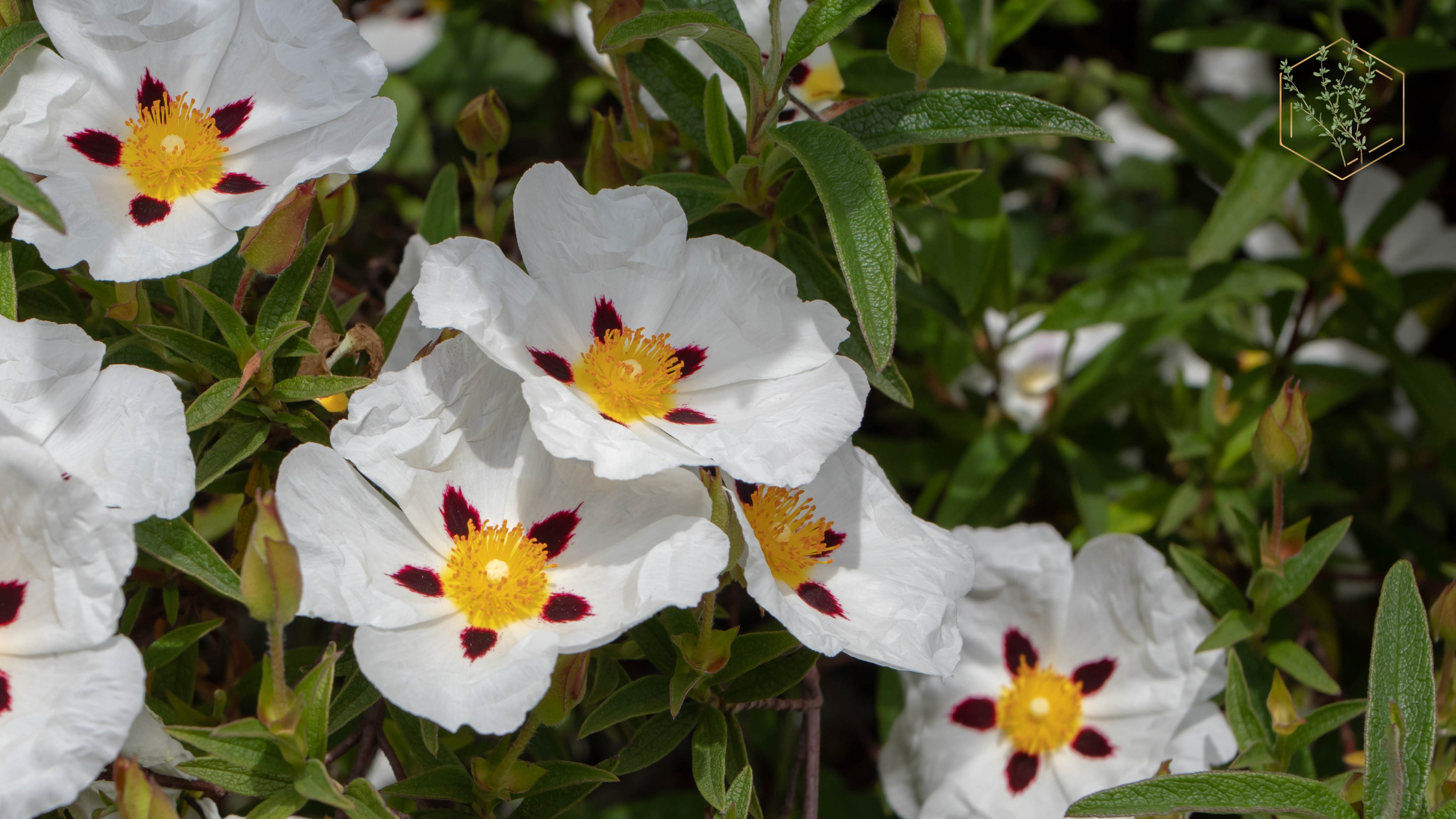
Spanish Labdanum is one of those materials that humbles you a little once you know its history. People were collecting and using this resin with real deliberation thousands of years before anyone wrote down a molecular structure, and they were not guessing randomly. They returned to it again and again because it worked for the purposes they had in mind.
The resin comes from Cistus ladanifer, a rockrose shrub native to the dry, sun-hardened hills of the western Mediterranean. The plant exudes a sticky aromatic gum, and the oldest harvesting methods are some of the most memorable in the whole history of aromatics. Shepherds noticed the resin clinging to the coats of goats that had browsed among the shrubs, and combed it out by hand. Later, people boiled the branches and skimmed the resin from the water. Both methods took patience. Neither happened by accident.
That deliberate harvest matched a deliberate use. Labdanum carried ceremonial weight in early religious practice across the Mediterranean and the Near East, and it appears in some of the oldest recorded incense formulas we have. Its scent is deep, warm, and faintly animalic, with a leathery, balsamic richness that lingers. In perfumery it became prized as a fixative and as the backbone of amber accords, a material that holds a composition together and gives it depth.
The chemistry helps explain the staying power. Spanish labdanum is a complex resinoid rather than a simple essential oil, dense with labdane-type diterpenes and a wide range of aromatic compounds that give it both its tenacity and its layered character. That complexity is exactly why it behaves the way it does on the skin and in a blend: it does not flash off quickly, it settles and persists, anchoring lighter materials around it.
For a modern practitioner, labdanum is a study in grounding and continuity. It pairs beautifully with resins like frankincense and with warm woods, and a very small amount goes a long way. Use it when you want a blend to feel settled and lasting rather than bright and fleeting.
There is a quieter lesson here too. Long before chemistry could name a single diterpene, people were making sophisticated, repeatable choices about scent. They observed, they refined their methods, they passed the knowledge on. Intentional aromatherapy is not a modern invention. It is something we have inherited, and labdanum is one of its oldest living examples.

