
Elemental Spotlight: Cedrene and the Chemistry That Gives Cedar Its Soul
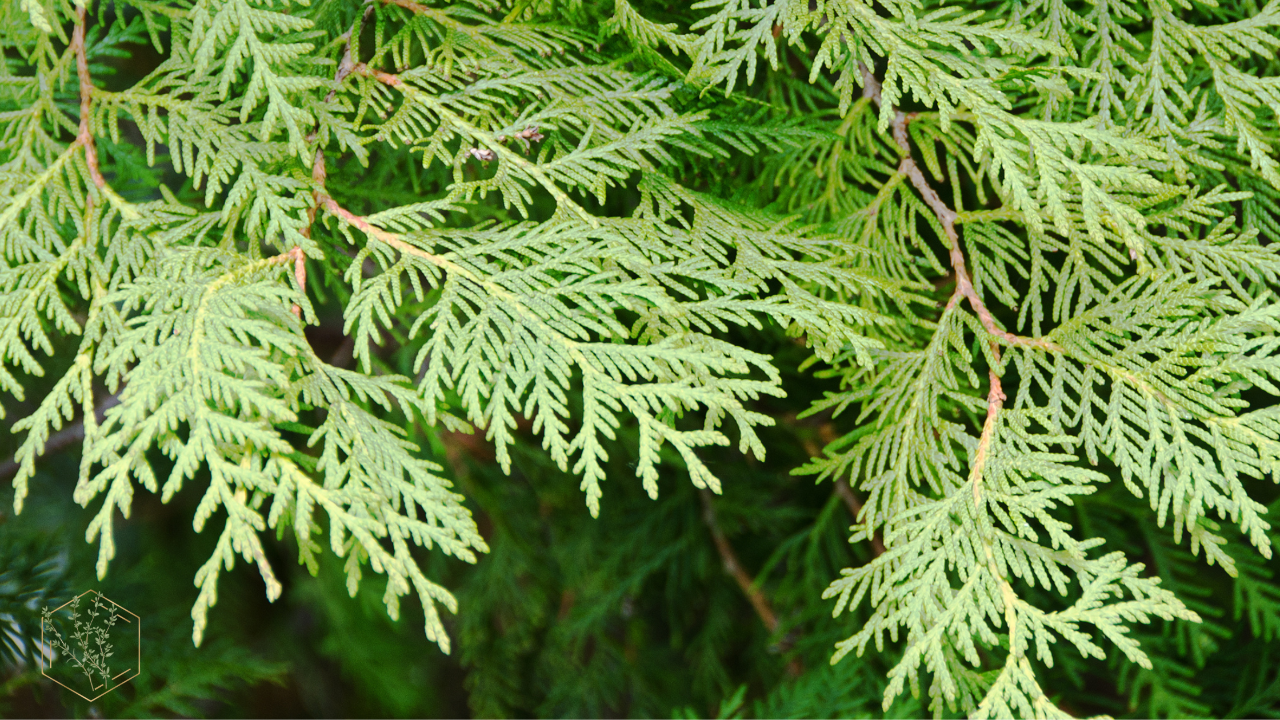
Some essential oils are remembered by feeling before they are understood by chemistry.
Cedar is one of them.
Before we learn the names of its constituents, we recognise what it does. It steadies the breath, settles scattered thinking, and creates the sense of being held by something older and more rooted than ourselves. That unmistakable dry, woody, resinous profile comes in large part from one important sesquiterpene: cedrene.
Cedrene is one of the defining constituents found in cedar essential oils, present primarily as α-cedrene and β-cedrene. These two isomers share the same molecular formula and carbon framework, yet differ in the position of a double bond. That small structural shift may seem subtle on paper, but it influences the way each behaves physically, aromatically, and functionally.
This is one of the beautiful lessons of aromatic chemistry: small molecular differences can create meaningful therapeutic and formulation consequences.
In aromatic terms, cedrene contributes to cedar’s signature scent of fresh wood, dry pine, and grounded warmth. It gives cedar oils much of their fixative power, helping lighter notes remain longer in the air and on the skin. This is why cedar and cedrene-rich materials are so highly valued in perfumery, natural fragrance, and meditation blends.
Yet cedrene’s relevance extends far beyond scent. In formulation science, cedrene is valued for its role in:
- extending the longevity of aromatic blends as a natural fixative
- supporting natural insect-repellent formulations
- contributing to eco-conscious wood preservation systems
- enhancing grounding blends for meditation and sleep products
- strengthening masculine, forest, and dry-wood accords
- supporting topical delivery through skin penetration enhancement
This last point is particularly fascinating for advanced students.
Both α-cedrene and β-cedrene have been identified as skin penetration enhancers, meaning they may improve the transport of aromatic compounds through the skin barrier (Cornwall & Barry,1994 as cited in Rhind, 2019). For anyone studying advanced topical formulation, this opens important conversations around delivery systems, dermal kinetics, and therapeutic design.
Emerging research also points to broader possibilities.
Tong, Park, and Yu (2019) explored α-cedrene in the context of adipocyte metabolism and lipolysis, while Tong and Park (2018) reported findings related to skeletal muscle differentiation and mitochondrial biogenesis. While these studies are still early, they highlight the growing importance of constituent-level literacy in interpreting research responsibly.
This is why cedrene is such a powerful teaching constituent. It shows how chemistry is never separate from aroma, formulation, or practice. The molecule that gives cedar its quiet authority is the same molecule that influences fixation, delivery, and product performance.
For students moving deeper into aromatic chemistry, cedrene becomes more than a sesquiterpene to memorise.It becomes a case study in how molecular nuance shapes real-world outcomes.
That is where advanced aromatherapy education becomes exciting. We stop learning oils as simple scent profiles and begin understanding how chemistry gives each oil its character, behaviour, and therapeutic possibility.
If constituent chemistry is where your curiosity is leading you, our Professional and Gold Standard Programs take this level of learning into deeper research, formulation, and clinical application.
Explore advanced aromatic chemistry pathways here:
www.essenceofthyme.com/programs.
References
Rhind, J. P. (2019). Essential oils: A handbook for aromatherapy practice (2nd ed.). Singing Dragon.
Tong, T., Park, T., & Yu, R. (2019). α-Cedrene inhibits adipogenesis and stimulates lipolysis via AMPK activation in adipocytes. Journal of Functional Foods, 57, 327–336.
Tong, T., & Park, T. (2018). α-Cedrene enhances skeletal muscle differentiation and mitochondrial biogenesis in muscle cells. Phytotherapy Research, 32(9), 1809–1817.

