
Why Lavender Isn't Always the Answer, Especially for Your Dog
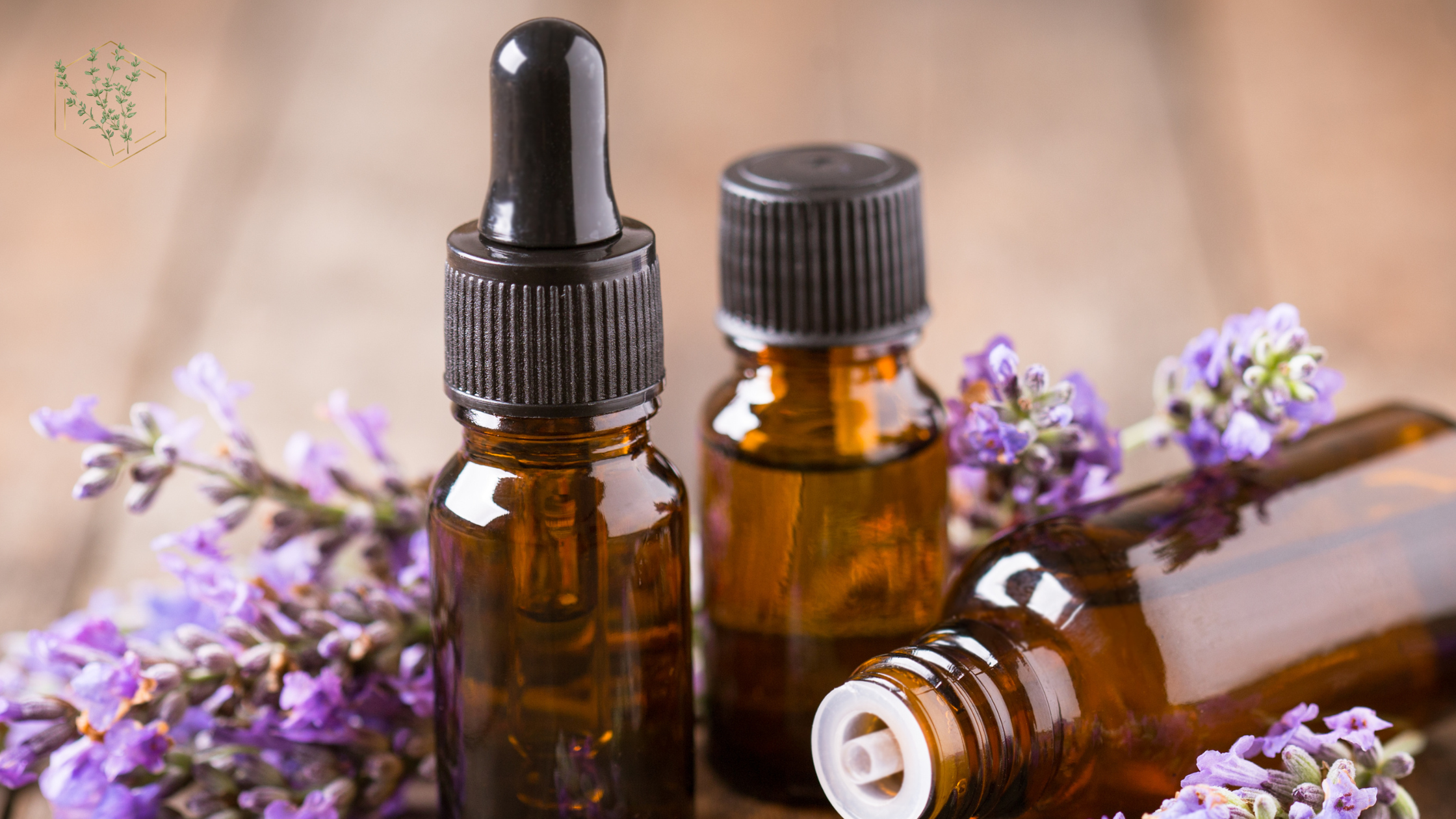
Lavender has become shorthand for calm. It's in baby products, sleep sprays, pillow mists, and just about every wellness aisle in the world. For many people, it works beautifully.
For many dogs, it doesn't.
This is one of the more counterintuitive truths in aromatherapy. The oils that calm humans don't automatically calm other species, and assuming they do can lead to choices that miss the mark, or worse, cause harm.
What Holistic Pet Care Experts Have Observed
Amy Williams DeLong, a Certified Aromatherapist and Holistic Pet Care Expert, notes that lavender is rarely preferred by dogs and tends not to be as effective at calming them or reducing their anxiety as it is with humans.
That observation matters. It suggests that the species-wide assumption that "lavender equals relaxation" doesn't translate cleanly across mammals. Dogs have different olfactory systems, different metabolic pathways, and different emotional responses to scent than humans do. What soothes us isn't guaranteed to soothe them.
Why Animal Aromatherapy Is Its Own Field
Using essential oils with animals is not a scaled-down version of using them with humans. It's a distinct practice with its own considerations.
Olfactory sensitivity differs dramatically. A dog's sense of smell is estimated to be thousands of times more sensitive than a human's. An aroma that feels pleasant to you can feel overwhelming to a dog. Dilution rates, diffusion times, and oil choices all need to account for this.
Metabolism differs, too. Cats, for example, lack certain liver enzymes that allow them to process certain compounds found in some essential oils safely. Oils that are harmless to humans can be toxic to cats. Dogs metabolize differently again. Each species has its own profile.
Preferences are individual. Just like humans, individual animals have their own likes and dislikes. One dog may settle near a frankincense diffuser. Another may leave the room. Letting the animal choose, by offering scent from a distance and watching the response, matters more than what a book recommends.
The bigger lesson here isn't really about lavender. It's about the assumption that calming is universal. Every body, human or otherwise, has its own nervous system, its own history, and its own preferences. What soothes one being can stimulate another.
The same logic applies between people. The friend who loves peppermint may have a partner who finds it sharp and unpleasant. Honouring individual response is part of practising aromatherapy with care.
Supporting your pet's wellbeing with essential oils is rewarding, but it requires species-specific knowledge to do safely and effectively. Our Animal Aromatherapy course is taught by Amy Williams DeLong, Certified Aromatherapist and Holistic Pet Care Expert.
Learn more at https://www.essenceofthyme.com/animal-aromatherapy-certification and get $100 off this month of June.

