
The Essence of Thyme Blog
Learn about essential oil recipes, aromatherapy careers, plant sustainability, aromatherapy classes, aromatic chemistry, and more.
Formulation Is Not Just Skin Deep: What Really Goes Into a Skincare Product

A finished skincare product gives us plenty to notice.
We can feel the texture between our fingers, observe how it spreads, decide if the aroma is pleasant, and notice what remains on the skin a few minutes after application. We can turn the bottle around and read the ingredient list, perhaps recognizing ingredients we already know and a few we want to look up.
Those details matter, but they ar...
When an Animal Aromatherapy Recipe Looks Fine at First Glance

Essential oil recipes for animals are easy to find, and plenty of them look reasonable. The oils are familiar, the dilution seems low, and sometimes the recipe comes from someone who works in animal health. For a practitioner, a sensible-looking recipe is where the evaluation starts.
Amy Williams DeLong was recently sent a flea and mosquito spray for dogs. It combined water and alcohol with lemon...
Discernment: Knowing What Belongs and What Doesn't
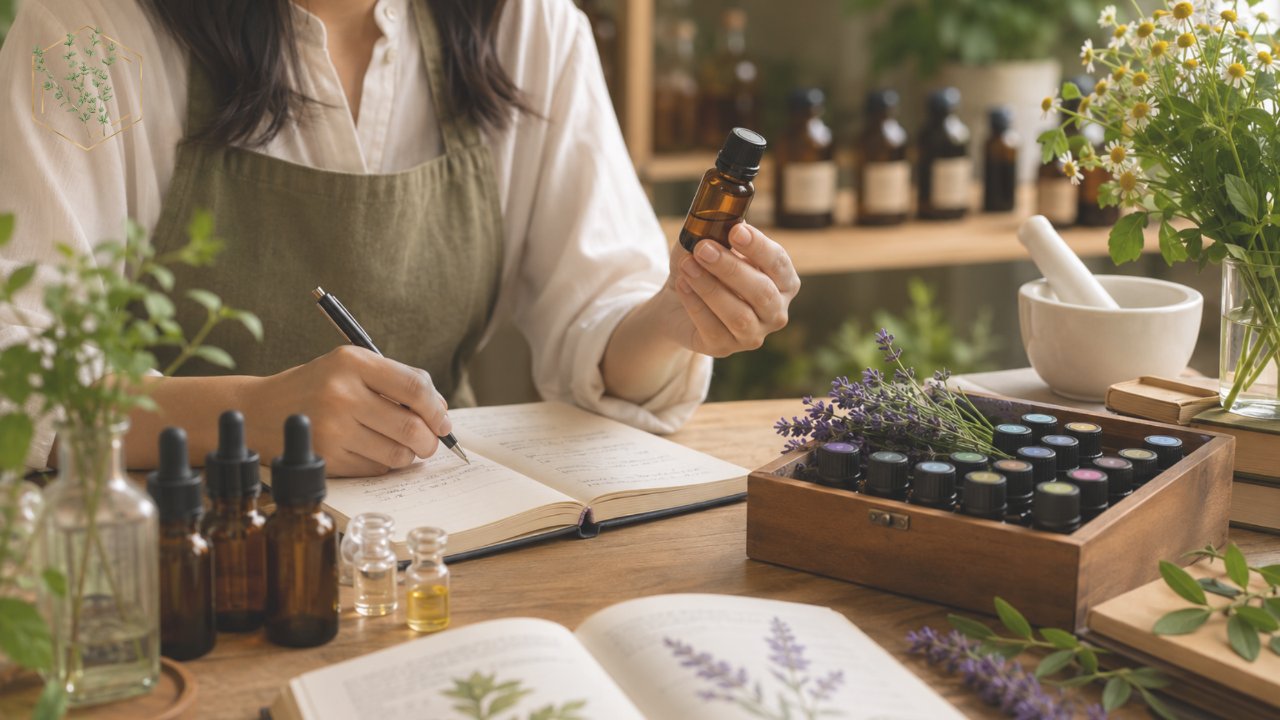
More is not always better.
That can be surprisingly difficult to remember in wellness, aromatherapy, skincare, and even education. We are surrounded by recommendations to add another ingredient, try another oil, follow another routine, or look for one more solution. With so much information available, it is easy to assume that better results must come from doing more.
Discernment asks a different qu...
What Scent Reminds You of Fall?
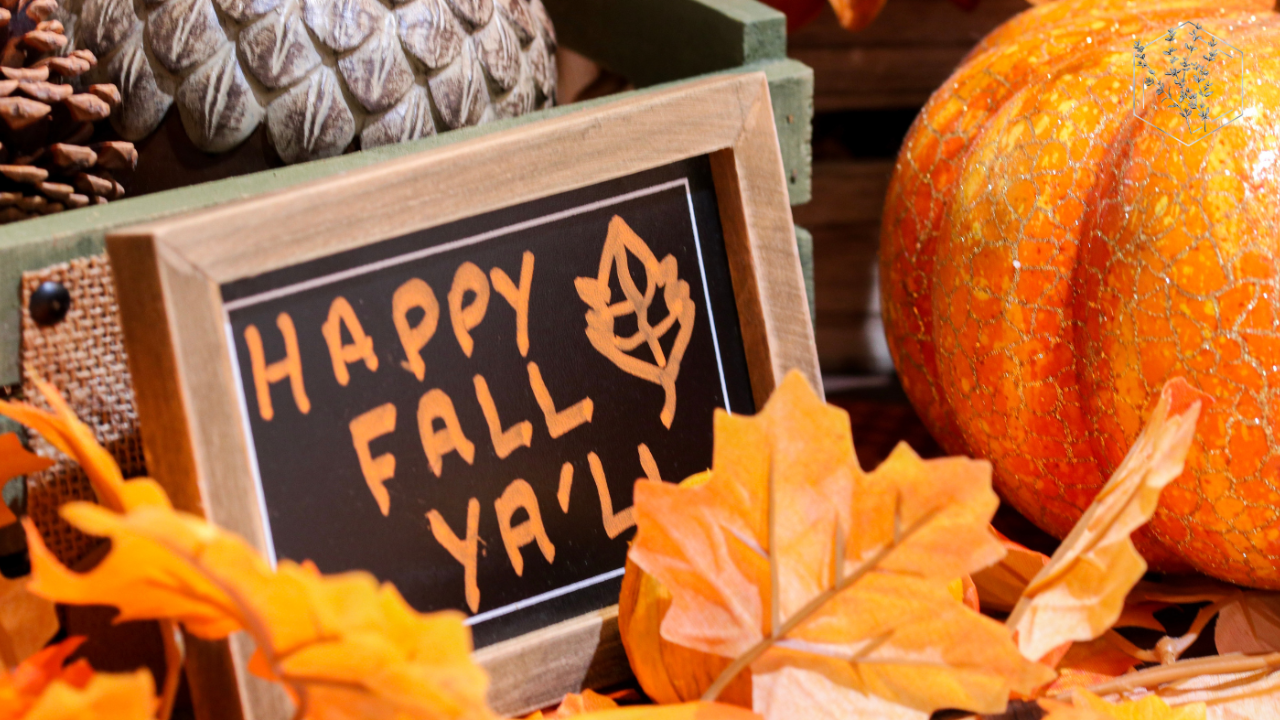
Ask a group what fall smells like and familiar answers will appear quickly: cinnamon, clove, pumpkin spice, apples, wood smoke, or damp leaves. Then someone else names cedar, cold air, black tea, a wool coat, a school hallway, or soil after rain, and the conversation becomes personal.
Seasonal scent is shaped by place, culture, weather, family routines, and memory. Fall in coastal British Columbi...
A Quick Fresh Rosemary Infusion for the End of Summer
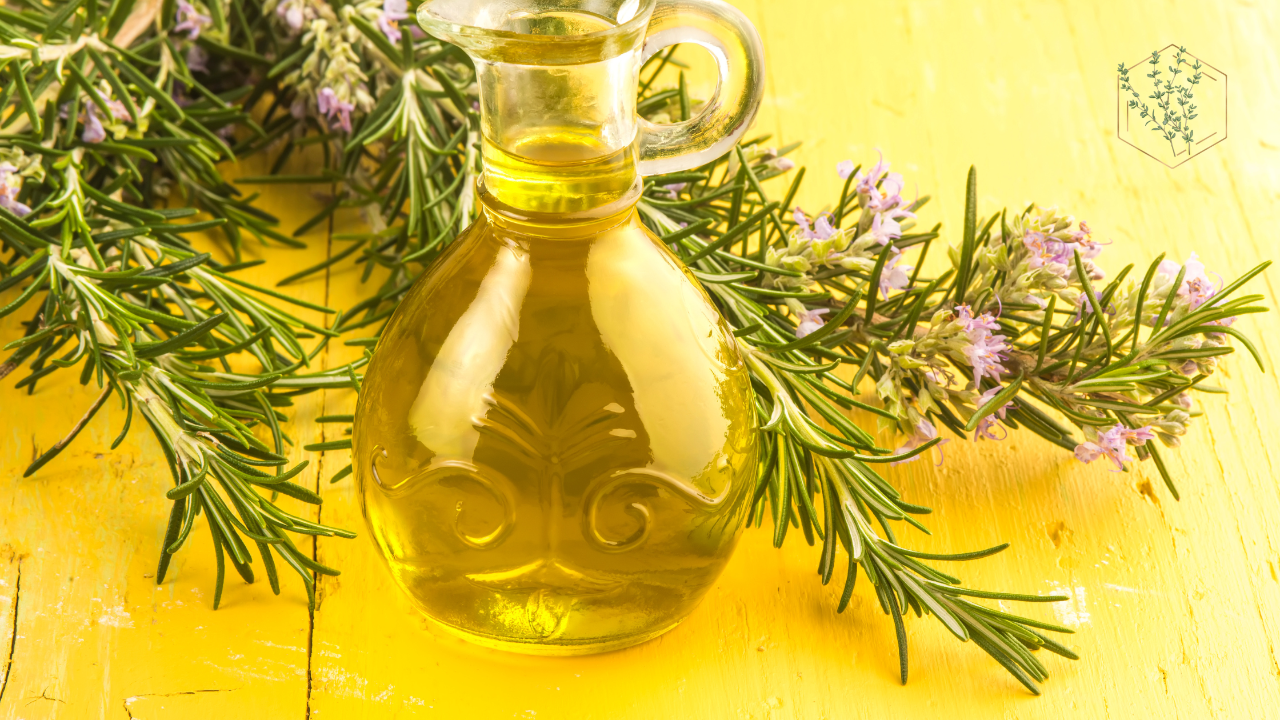
As summer comes to a close, herb gardens and containers often have one last generous offering. Rosemary may still be fragrant and full, and harvesting a small amount can become an opportunity to practise one of herbalism’s most useful habits: observing the plant, choosing an appropriate preparation, and working carefully with the material you have.
Colleen shared a simple method for making a qui...
Working with Animals Begins Before You Choose an Oil

When someone asks which essential oils are safe for animals, it is tempting to answer with a list. A list feels clear and useful, but it can also leave out the questions that determine if an aromatic approach is suitable in the first place.
Which species is being considered?
What is the animal’s age and health status?
How will exposure occur?
Can the animal move away?
What changes in behav...
Geranium: Why the Common Name Is Only the Beginning
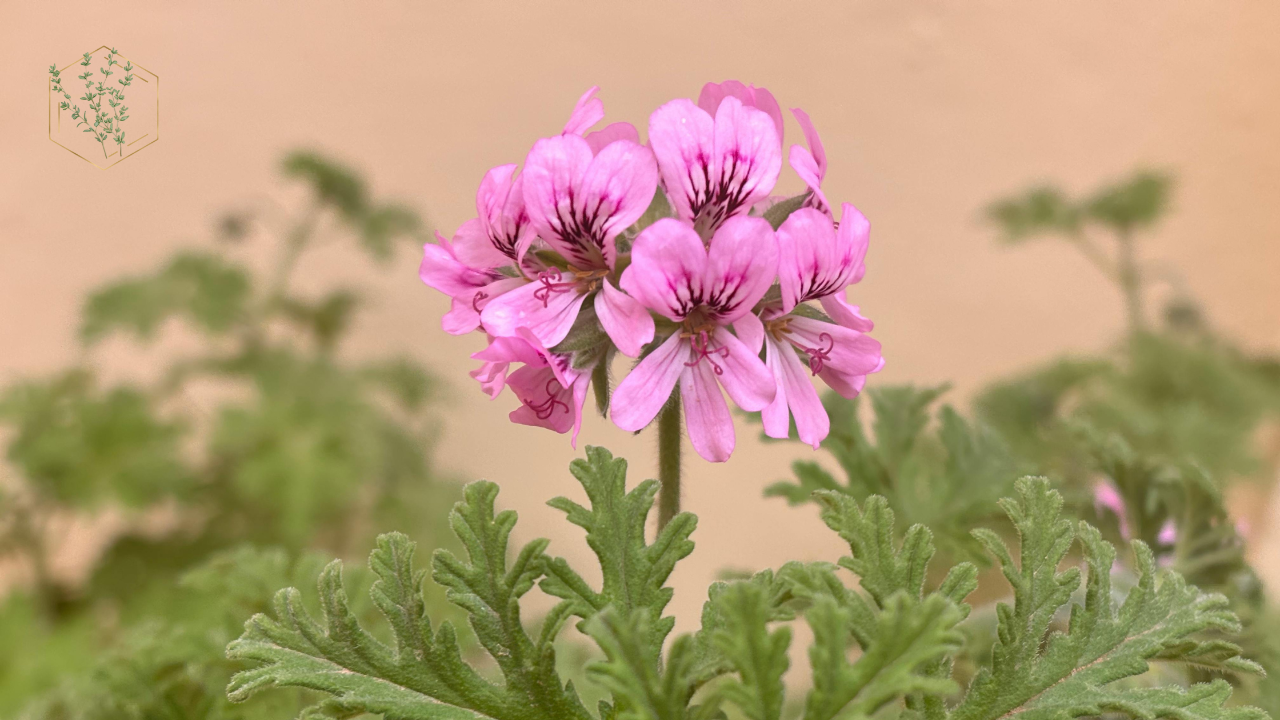
Geranium is familiar to many aromatherapy students. Its green, rosy aroma is easy to recognize, and the common name often appears in books, blends, and product descriptions. Familiarity can make an oil feel straightforward, but the label may tell a more complicated story.
The name Geranium essential oil can refer to aromatic materials produced from different Pelargonium species, hybrids, and cul...
Inside The Aromatic Mirror: Three Sessions, Ten Essential Oils, and Archetypal Mapping
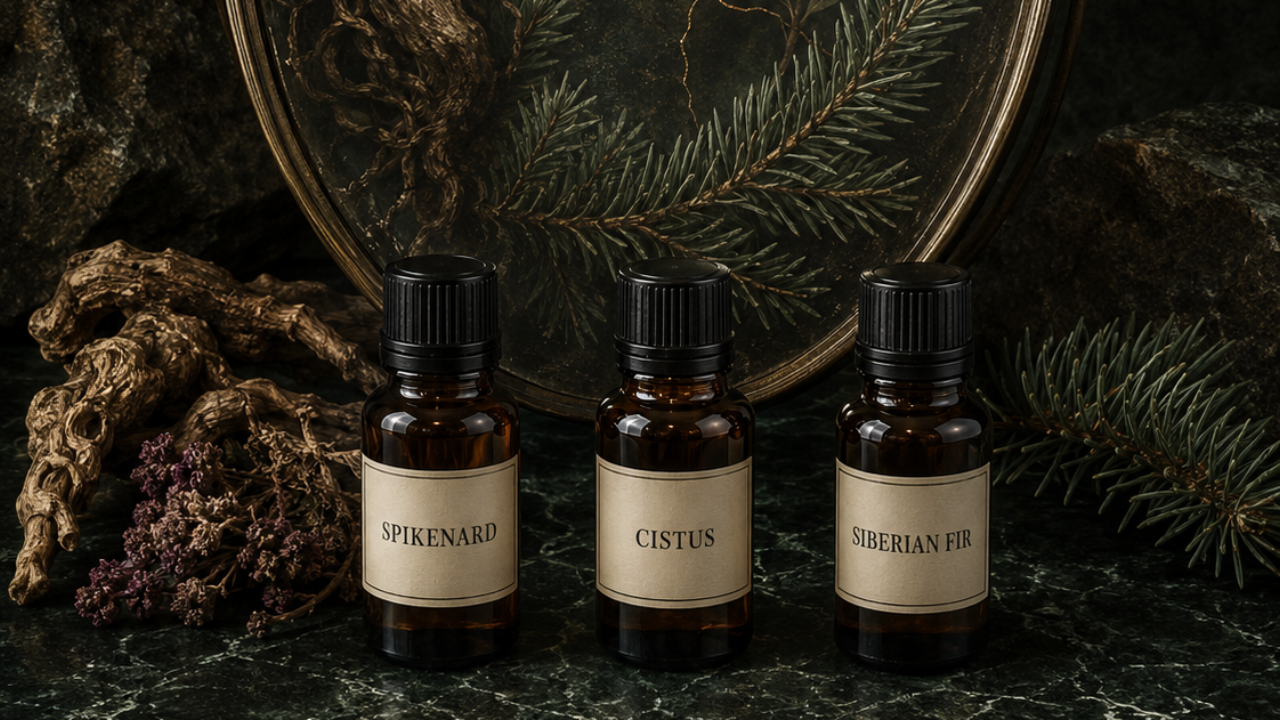
The Aromatic Mirror invites participants to explore the emotional and symbolic dimensions of essential oils through experience, reflection, and archetypal work. Across three connected live sessions, the course begins with personal awareness, expands through a wider aromatic collection, and then considers how these themes may appear in therapeutic practice.
Instructor Marika Fleri guides participa...
The Practitioner Is Part of the Therapeutic Relationship
Professional training often teaches practitioners to direct their attention toward the person seeking support. We listen, observe, ask careful questions, and consider what may be helpful. Yet the practitioner is also present in every therapeutic relationship.
We bring our histories, wounds, protective instincts, values, wisdom, and ways of understanding the world into the room. These parts of us ...
When a Student Becomes a Practitioner
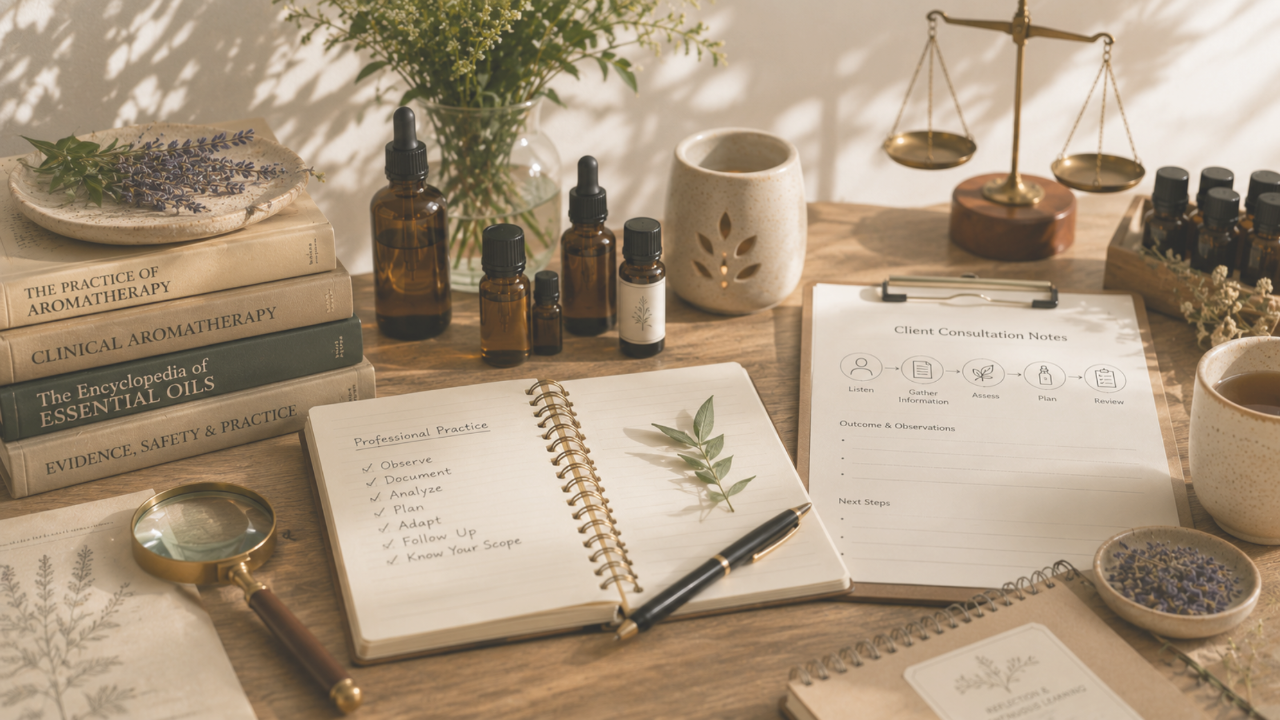
Certification adds knowledge, but that is not the only change it should create.
The deeper shift appears in the way a person responds when the situation is unfamiliar, the expected result does not appear, or something goes wrong.
A practitioner needs a process for asking better questions, reviewing the information, documenting what happened, and recognizing the limits of their role.
Scenario on...

